
I think of myself as a fighter. Not a fist-fighter, to get that out of the way at the top. I had one fist fight in my life when I was very young. My opponent was five and I was seven. I threw one punch and missed. He threw one and connected. Ow, Ow, Ow! I could not believe how much it hurt.
I grew up watching boxing with my dad, the younger brother of a Golden Gloves boxer, who imparted a cross-over of boxing and life lessons during the matches. Most importantly, he taught me that, “You don’t win by backing up.”
It’s that part of boxing, being willing to fight to keep moving forward with which I identify.
I don’t remember my earliest battles, but family stories relay protracted, tearful battles about wearing tights, which I loathed because they were t-i-g-h-t. Duh! Each time I had to wear them, I promised myself it would be the last.
Like many freedom declarations, mine was more aspirational than actual at first, and took about forty years to fulfill. Even so, one needs to begin a march toward freedom with a clarifying statement, and that was mine: no tight, scratchy clothes, ever again.
I spent a lot of my school years fighting against expectations of what it meant to be a girl. In 2nd grade I argued with the school nurse about playing tag with the boys instead of jump rope with the girls. In high school I argued with the librarian when she wouldn’t let me read Sports Illustrated, Newsweek or Time magazine, because they weren’t magazines that girls read. She offered me Seventeen and Mademoiselle.
I did not want to be a boy, though, had you interviewed me at any age between kindergarten and senior year (‘65-‘78), I would have responded with a lengthy list of ways I believed boys lives were easier. Primarily because they had infinitely more freedom and access to opportunities. That was the toughest part of being a girl, I thought. Fewer opportunities. Adding insult to injury, boys had cooler stuff: sneakers, jackets, bikes, magazines, sports to play, and ways to earn money.
If my school year fights were about rejecting limiting perceptions and rules, the fights in college and as a young adult were about rejecting unwanted touch from male students, professors, and colleagues. There were at least three occasions where being confident, athletic and sober got me out the door before things got bad.
Looking back, it is unfathomable to me, that a twenty-year-old woman couldn’t walk 200 yards from the library to her dorm without looking over her shoulder.
It took until 1998, at 38, when I started at Amazon, to feel safe at work. Uttering sexist, racist or homophobic comments were all fireable offenses. What a difference those limits made to me. I could argue about ideas rather than defend my right to be in the room and treated as an equal.
That space to be myself allowed me to disengage. Fighting takes a lot of energy coupled with constant focus. It’s a great combo for a battle, but it’s their opposites, space and relaxing one’s gaze to notice your surroundings, which allows you to see what’s changed while you’ve been fighting.
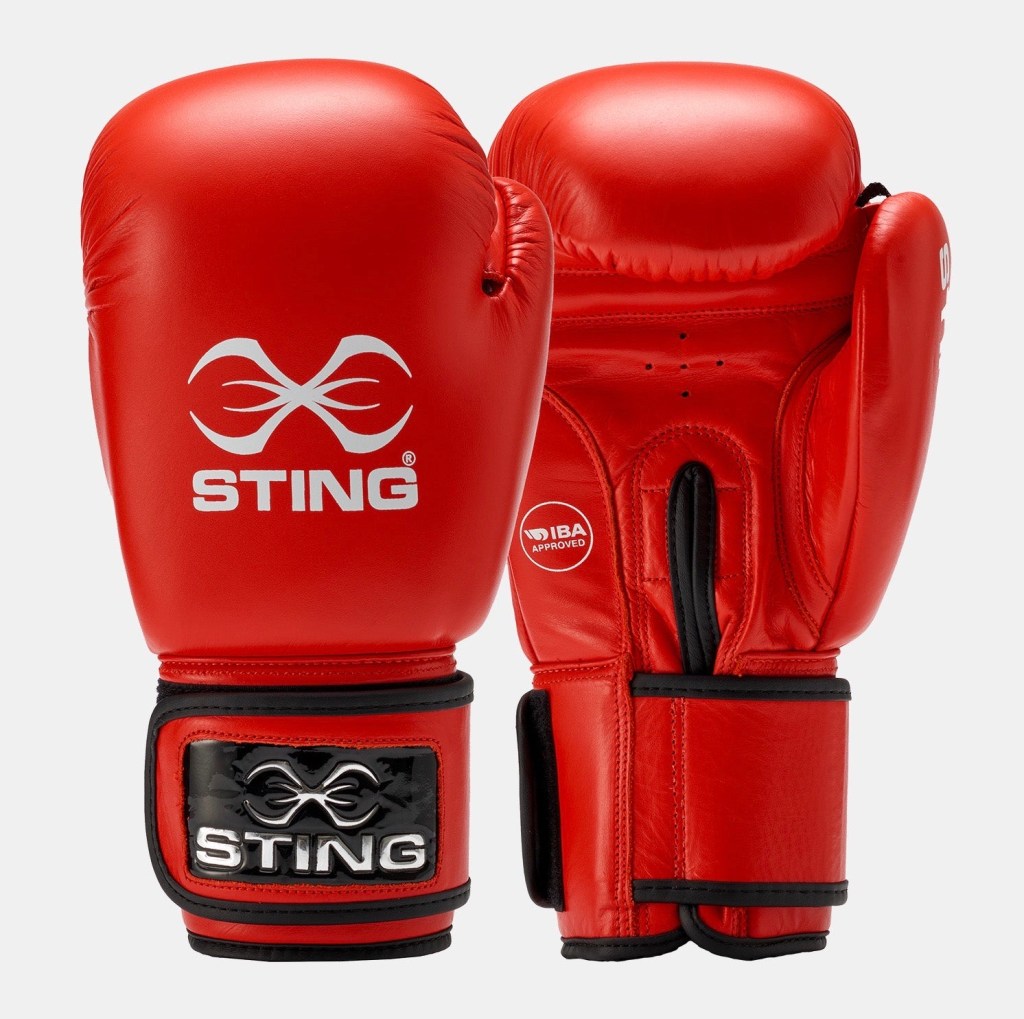
You’ve changed, and maybe your opponent has, too. Maybe this isn’t even a fight that interests you anymore. Perhaps you can hang up your gloves, dance around the ring waving your arms, and slip on a shiny robe on your way to well-earned rest. After all, you’re still standing. 😎 🥊

 The Hammer Times
Leave a reply to Jill CURLEY Cancel reply